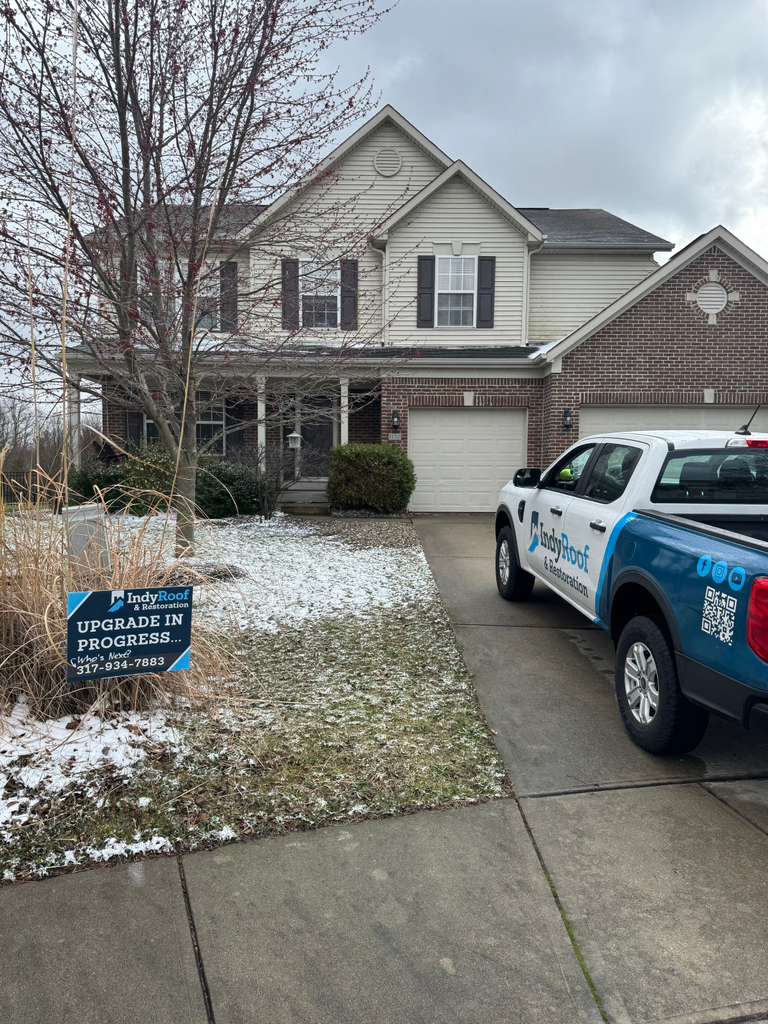
Two Ways to Put On a New Roof
When it comes time to replace a roof, there are fundamentally two approaches, and understanding them is the key to a good decision. One is to tear off the old roofing entirely and rebuild from the wood decking up. The other is to leave the old shingles in place and install a new layer over them. The first is thorough and complete, the second is quicker and cheaper. They produce very different results, and for a Nora homeowner the difference shows up not on install day but in the years that follow, which is why it pays to understand each one.
The Roof-Over Explained
A roof over, sometimes called a layover or re roof, installs new shingles directly on top of the existing layer. Nothing is torn off. The appeal is straightforward: skipping the tear off saves labor, and not hauling away the old roofing saves disposal cost, so the price is lower and the job is faster. It is also less disruptive, with no dumpster and less debris. For these reasons a roof over can look like the smart, economical choice at first glance. The complication is everything the approach leaves undone, which does not appear in the price but very much affects the roof a Nora homeowner ends up with.
Why People Choose a Roof-Over
Homeowners choose roof overs for understandable reasons, and budget is usually the main one. A roof over can cost noticeably less than a tear off, which matters when money is tight or the expense is unplanned. The speed and reduced mess are also draws, especially for someone who wants the job done with minimal disruption. And on the surface, a new layer of shingles looks like a new roof. The problem is that the comparison stops at the surface. The roof over's lower price reflects work it does not do, and a Nora homeowner weighing only the upfront number can miss the costs that come later, which often exceed the initial savings.
The Weight Problem
Roofing materials are heavy, and a roof over doubles up the load. The existing layer stays and the new layer adds on top, so the structure carries two roofs worth of weight. Many homes can bear it, but some cannot comfortably, and the added stress is part of why building codes cap the number of layers. Over time, excess weight can contribute to sagging or strain the framing. A tear off keeps the roof to a single layer, which is the load the structure was designed for. For a Nora homeowner, keeping the roof light by tearing off is one more point in the tear off's favor.
What a Roof-Over Hides
The central drawback of a roof over is everything it conceals. Because the old roofing stays in place, whatever is underneath stays hidden, including rotted or water damaged decking, old leak points, and worn flashing. None of these get addressed, so they remain and often worsen out of sight, beneath two layers of shingles now instead of one. When a problem eventually surfaces, it can be larger and harder to reach. For a Nora home, particularly one that has ever leaked, this hidden quality is the roof over's biggest liability, since a roof replacement is the ideal moment to find and fix exactly these issues.
What the Code Says
Building codes set firm limits on roof overs. Most jurisdictions allow no more than two layers of asphalt shingles, so a roof already carrying two layers must be torn off and cannot be roofed over again. Codes also typically forbid roofing over shingles that are wet, badly curled, or damaged, or roofing one material over a different one. These rules exist precisely because layovers carry the risks already described. For a Nora homeowner, the code limits mean a roof over is only legal in specific conditions, and a roofer must confirm the existing layer count and condition before a layover is even on the table.
The Lifespan Difference
Put the pieces together and the lifespan gap becomes clear. A roof over runs hotter, cannot benefit from fresh underlayment and a clean deck, and sits on potentially compromised decking, so it tends to last fewer years than the same shingles on a tear off. A tear off gives the new roof every advantage: a sound deck, proper underlayment and protection, a single light layer, and full warranty coverage. For a Nora homeowner, that difference in expected life is central to the value comparison, because a cheaper roof that lasts noticeably fewer years may cost more per year of service than the more thorough tear off.
The Tear-Off Explained
A tear off is the complete replacement. The crew strips the roof to the bare decking, removing all old shingles and underlayment, then builds a fresh roofing system from the wood up. This costs more because of the labor to remove the old roof and the cost to dispose of it. In return, it exposes the decking, allows fresh underlayment and proper protection, and produces a clean, single layer roof that performs as designed. For a Nora homeowner, a tear off is the thorough option, and while it asks more upfront, it delivers the full benefits a new roof is supposed to provide, which a roof over cannot match.
The Decking You Cannot See
The wood decking is the foundation of the roof, and a tear off is the only way to inspect it. With the old roofing removed, the crew can identify and replace any decking that is rotted or soft before laying the new roof, which is essential because new roofing over bad decking will not hold. A roof over keeps the decking covered, so its condition is unknown and any damage stays put. A Nora homeowner choosing a roof over is, in effect, betting the decking is fine without being able to confirm it, which is a real risk on an older roof or one with a leak history.
The Heat Problem
Trapped heat is a quieter but real downside of a roof over. The old shingles underneath retain warmth and hold it against the new layer, so the new shingles run hotter than they would on a clean deck. Heat ages asphalt shingles, drying them out and shortening their life, so a roof over often does not last as long as the same shingles installed on a tear off. The difference can be several years of lost lifespan. For a Nora home in a climate with hot summers, this heat effect erodes the value of the roof over further, since the shingles wear out sooner than their rating suggests.
Why Tear-Off Usually Wins
Taking the full picture, a tear off wins for most Nora homes despite its higher upfront cost. It lets you fix the decking, keeps the roof light, gives the shingles their full lifespan, preserves the warranty, and presents better at resale. A roof over's savings are real but often temporary, eroded by a shorter life, hidden decking issues, and lost warranty coverage. Unless your roof genuinely fits the narrow conditions where a layover makes sense, a single sound existing layer, good decking, a tight budget, and a short ownership horizon, tearing off is the sounder long term investment, which is why most roofers recommend it.
The Warranty Problem
Warranty is where a roof over can quietly cost a homeowner the most. Many shingle manufacturers void their warranty when shingles are installed over an existing layer, because a layover does not meet their installation requirements. So a Nora homeowner who roofs over may end up with no manufacturer coverage on the new shingles, meaning a material defect would not be covered. Combined with the shorter lifespan from trapped heat, this leaves the roof over both more likely to fail early and without the protection to address it. A tear off keeps the installation within warranty requirements, preserving the coverage you are paying for.