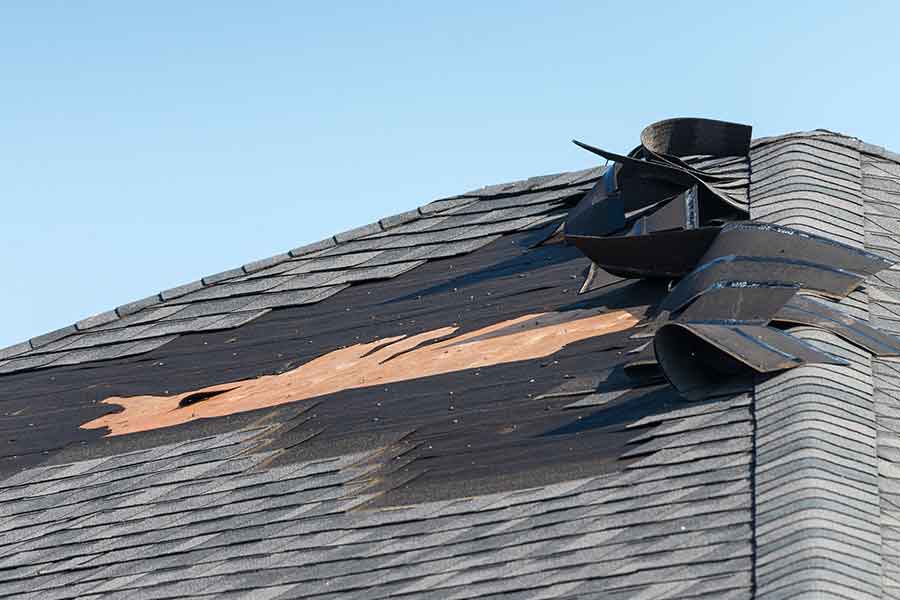
Repairing Wind Damage
When a windstorm damages a metal roof, knowing how repairs are made helps a Nora homeowner understand the path back to a sound roof. Here is how wind damage is repaired.
Securing Loosened Panels
Where wind has lifted or loosened panels, the repair involves properly resecuring or, if damaged, replacing them, restoring the roof's hold and water tightness. Metal roofs lend themselves to addressing individual panels, so loosened sections can be fixed without redoing the whole roof. Getting the panels properly secured again is central to repairing uplift damage. It restores the roof's integrity at the affected points.
Replacing or Tightening Fasteners
Fasteners that wind has stressed, loosened, or backed out are replaced or properly resecured, often with fresh, correctly sealing screws and washers, restoring the roof's attachment and sealing any compromised points. Addressing the fasteners is key, since they hold the roof down and keep water out. This is a common part of wind repair, especially on exposed fastener systems. Sound fasteners are essential to the roof's wind resistance going forward.
Repairing Flashing and Edges
Wind damaged flashing and edge details are refastened, resealed, or replaced as needed, restoring these critical water shedding points and reinforcing the perimeter against future wind. Since flashing and edges are both vulnerable to wind and critical to water tightness, getting them right matters. This is a frequent and important part of wind repair. Properly restored edges and flashing protect the roof from leaks and further wind damage.
Addressing Debris Damage
Damage from wind driven debris, dented panels or finish damage, is addressed based on its severity, from finish touch up to panel replacement for significant harm, and any debris on the roof is cleared. Restoring the affected areas returns the roof to sound condition. Handling impact damage is part of a complete wind repair. It rounds out the restoration of the roof after a windstorm.
Reinforcing Against Future Wind
A good repair not only fixes the damage but, where appropriate, addresses any underlying vulnerability, such as inadequate edge details or fastening, so the roof is better able to withstand future wind. Repairing the cause as well as the symptom improves the roof's resilience going forward. This is part of doing the repair right. Strengthening weak points helps prevent the same damage from recurring.
Repair, in Short
Wind repair involves securing or replacing loosened panels, addressing stressed or backed out fasteners, restoring flashing and edges, handling debris damage, and reinforcing vulnerabilities against future wind. It returns the roof to sound, resilient condition.
One point worth making clear for Nora homeowners is that a metal roof's excellent wind resistance is real but conditional, and the condition is proper installation. As a material, metal is inherently among the most wind resistant roofing you can put on a home, with quality systems rated to withstand the kind of high winds that strip shingles off lesser roofs. But that rating describes a roof installed correctly, and the places where wind actually attacks a roof, the edges, the eaves, the ridges, and the fasteners, are precisely the details that depend on the installer getting it right. Wind works by finding an edge it can get under and using that grip to lift and peel, so secure, properly detailed edges and correct, adequate fastening are what stand between a roof and the storm. A quality metal roof installed by a contractor who builds for the weather will ride out severe wind that would destroy a poorly installed roof of the same material, while a metal roof put on carelessly, with weak edge details or inadequate fastening, can fail in wind it should have handled easily. This is why, when evaluating wind resistance, the installer matters as much as the product and the rating. The sensible approach is to choose both a quality system suited to your area's conditions and a contractor with genuine metal roofing experience who will install it correctly, because that combination is what actually delivers the wind performance the roof is capable of.
It also helps Nora homeowners to understand the right sequence of actions after a significant windstorm, because acting sensibly protects both the home and any potential insurance claim. The first priority is always safety, which means staying off the roof entirely, since a metal surface that may be wet, damaged, or littered with debris after a storm is genuinely dangerous, with real fall risk. From the ground, you can look for obvious signs of trouble, lifted or missing panels, visible dents, debris on the roof, or displaced flashing, and inside the home you can check for new leaks or water stains that would indicate the roof has been compromised. If you find an active leak, addressing the interior first, containing the water and moving belongings out of harm's way, limits the damage while you arrange for help. The next step is documentation, photographing what you can see safely, which will be useful if you end up filing an insurance claim. Then call a professional roofer for a thorough inspection, since much wind damage is subtle and only a close, expert look will catch loosened fasteners, slightly lifted edges, or compromised flashing that could lead to leaks. A reputable roofer can provide temporary protection if the roof is vulnerable, document the damage in detail to support a claim, and carry out a proper repair. Throughout, keep in mind that questions about insurance coverage, what is covered and how your deductible applies, depend on your specific policy and carrier, so treat general guidance as background and confirm the particulars with your own insurer.
It also helps Nora homeowners to understand the right sequence of actions after a significant windstorm, because acting sensibly protects both the home and any potential insurance claim. The first priority is always safety, which means staying off the roof entirely, since a metal surface that may be wet, damaged, or littered with debris after a storm is genuinely dangerous, with real fall risk. From the ground, you can look for obvious signs of trouble, lifted or missing panels, visible dents, debris on the roof, or displaced flashing, and inside the home you can check for new leaks or water stains that would indicate the roof has been compromised. If you find an active leak, addressing the interior first, containing the water and moving belongings out of harm's way, limits the damage while you arrange for help. The next step is documentation, photographing what you can see safely, which will be useful if you end up filing an insurance claim. Then call a professional roofer for a thorough inspection, since much wind damage is subtle and only a close, expert look will catch loosened fasteners, slightly lifted edges, or compromised flashing that could lead to leaks. A reputable roofer can provide temporary protection if the roof is vulnerable, document the damage in detail to support a claim, and carry out a proper repair. Throughout, keep in mind that questions about insurance coverage, what is covered and how your deductible applies, depend on your specific policy and carrier, so treat general guidance as background and confirm the particulars with your own insurer.
Get Your Wind Damage Repaired
Nora Roofing repairs wind damaged metal roofs across Nora and Marion, restoring panels, fasteners, flashing, and edges and reinforcing against future wind. Call {phone} for a free inspection and quality storm repair that returns your roof to sound condition.